
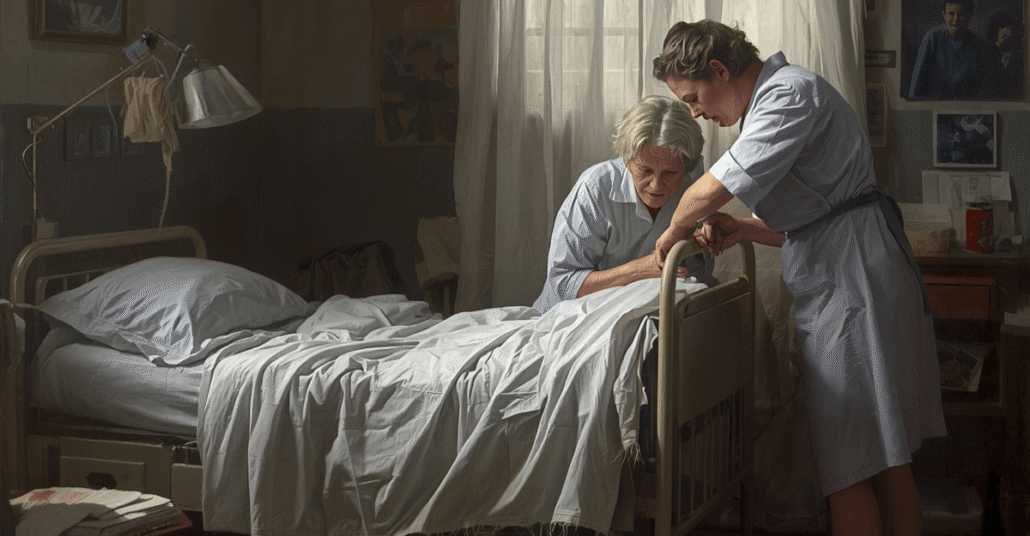
Understanding Nursing Home Neglect Laws in Illinois
Placing a parent, grandparent, or spouse in a nursing home is one of the heaviest and most emotionally draining decisions a family can make. You likely spent weeks touring facilities in Lincoln Park, reviewing state health ratings for care centers down Western Avenue, and agonizing over the choice, ultimately trusting that your loved one would receive attentive, compassionate care in their later years. When that fundamental trust is broken by institutional neglect, the resulting betrayal is absolutely devastating. The realization that a vulnerable family member has been left to suffer in a place meant to protect them demands immediate action and a clear understanding of your legal rights.
The reality is that neglect in long-term care facilities rarely happens overnight. It is often a slow, creeping process born of corporate corner-cutting and severe understaffing. Recognizing the signs, understanding the state statutes designed to protect residents, and knowing how to navigate the Cook County legal system are your best tools for stopping the harm and holding negligent facilities accountable.
What Constitutes Nursing Home Neglect Under Illinois Law?
In Illinois, nursing home neglect occurs when a facility fails to provide adequate medical care, personal hygiene, food, or a safe environment, resulting in physical or mental harm to a resident. This includes ignoring medical needs or failing to prevent preventable injuries like bedsores.
Unlike overt physical abuse, which involves a direct, intentional act to cause harm, neglect is generally characterized by an ongoing failure to act. It is the medication that was not administered on time, the call button that went unanswered for hours, or the failure to assist a resident with basic mobility. In busy facilities across Chicago, from the Gold Coast to the South Shore, this failure to provide an adequate standard of care often stems from systemic issues rather than the malicious intent of a single staff member.
However, the lack of malicious intent does not absolve the facility of legal responsibility. When a facility accepts a resident and their Medicare or private payments, they accept a legally binding duty to provide a specific standard of care. Neglect typically falls into several distinct categories:
- Medical Neglect: Failing to administer prescribed medications, ignoring signs of infection, or failing to promptly contact a physician or transfer a resident to a local hospital like Rush University Medical Center or Northwestern Memorial Hospital when their condition sharply declines.
- Basic Needs Neglect: Failing to provide adequate nutrition, clean water, or a safe, clean environment. This can quickly lead to severe dehydration or advanced malnutrition.
- Personal Hygiene Neglect: Leaving residents in soiled clothing or adult diapers for extended periods, failing to provide regular baths, or neglecting basic dental care.
- Mobility and Supervision Neglect: Failing to assist residents with walking or transferring from bed to a wheelchair, leading to devastating falls, or failing to reposition bedbound residents, which is the primary cause of pressure ulcers (bedsores).
How Does the Illinois Nursing Home Care Act Protect Chicago Residents?
The Illinois Nursing Home Care Act is a powerful state law providing residents with a comprehensive bill of rights. It allows residents or their families to sue negligent facilities directly for actual damages, and requires that facilities pay the plaintiff’s reasonable attorney fees and costs if the plaintiff prevails on a claim for violation of rights specified in Part 1 of Article II of the Act.
Enacted to combat widespread abuses in long-term care facilities, this specific piece of legislation gives families significant legal leverage. It establishes a baseline of human dignity and safety that all licensed facilities in the state must meet. Before this act, taking legal action against a nursing home was notoriously difficult and expensive, often deterring families from seeking justice.
The fee-shifting provision where the negligent facility must pay the victim’s reasonable attorney fees and costs upon a successful verdict was intentionally designed by Illinois lawmakers to ensure that even residents with relatively small financial damages could still secure highly qualified legal representation to stop the abuse.
Under the Act, residents possess fundamental rights that cannot be waived by the facility, including:
- The right to be free from abuse and neglect.
- The right to be free from physical and chemical restraints imposed for the purposes of discipline or staff convenience.
- The right to manage their own personal financial affairs.
- The right to retain and consult with their own personal physician at their own expense.
- The right to present grievances on behalf of themselves or others to the facility’s administrator or the government without fear of reprisal or eviction.
The Silent Warning Signs of Substandard Care
Recognizing neglect requires vigilance. Because many residents suffer from cognitive decline, such as Alzheimer’s or dementia, they may be unable to articulate what they are experiencing. Furthermore, some residents remain silent out of fear of retaliation from the staff members they depend on for survival.
Family members must act as the primary line of defense. When visiting a facility in Cook County, it is important to look past the lobby and observe the actual living conditions. Pay close attention to subtle changes in your loved one’s physical condition and demeanor. Unexplained weight loss, sudden confusion, or an unkempt appearance are immediate red flags.
One of the most severe indicators of neglect is the development of pressure ulcers, commonly known as bedsores. These wounds occur when a resident is left in one position for too long, restricting blood flow to the skin. In a properly staffed facility, bed-bound residents are turned and repositioned on a strict schedule. The presence of a stage three or stage four bedsore where the wound has eroded down to the muscle or bone is almost always a definitive sign of prolonged, severe neglect.
Additionally, be wary of frequent, unexplained trips to the emergency room. Recurrent urinary tract infections (UTIs) that advance to sepsis, or frequent falls resulting in broken hips or head trauma, often indicate that the facility lacks the staff necessary to monitor and assist residents properly.
What Should I Do If I Suspect Nursing Home Neglect in Chicago?
If you suspect nursing home neglect in Chicago, immediately seek emergency medical attention if your loved one is in imminent danger. Then, document all visible injuries and report the facility to the Illinois Department of Public Health (IDPH) to trigger a formal state investigation.
Your priority must always be the physical safety and immediate health of the resident. If you arrive at a facility and find your family member unresponsive, severely dehydrated, or suffering from a severe, untreated wound, do not wait for the facility’s staff to take action. Call 911 and have them transported to a nearby emergency room for an independent medical evaluation.
Once they are safe, your focus should shift to preserving evidence. The conditions in a nursing home can change rapidly once the administration realizes they are under scrutiny. To protect your loved one’s future legal claim, you should take the following steps:
- Take Photographs: Use your phone to take clear pictures of your loved one’s injuries, including bedsores, bruises, or signs of poor hygiene. Document the condition of their room, including soiled bed linens, safety hazards, or out-of-reach call buttons.
- Request Medical Records: You have a legal right to request a complete copy of the resident’s medical chart, care plans, and medication administration records. Request these in writing as soon as possible.
- Keep a Detailed Journal: Write down everything you observe. Record the dates and times of your visits, the names of the staff members on duty, conversations you have with administrators, and specific details about your loved one’s physical and mental state.
- File an Official IDPH Complaint: The Illinois Department of Public Health operates a centralized hotline for reporting nursing home abuse and neglect at 1-800-252-4343 (or 1-800-547-0466 TTY). When you file a complaint, state surveyors will typically visit the facility unannounced to investigate the allegations, interview staff, and review records.
Who Can Be Held Liable for Substandard Care in Illinois?
Liability in Illinois nursing home neglect cases typically falls on the facility’s corporate owners and operators for systemic failures like understaffing. Individual doctors, nurses, administrators, or third-party medical contractors providing services within the facility may also be held legally responsible for specific negligent acts.
The corporate structure of modern long-term care facilities is notoriously complex. A single nursing home in Chicago might be owned by a real estate investment trust based in another state, operated by a separate management company, and staffed by a third-party agency. This web of corporate entities is often designed specifically to shield the parent companies from liability and protect their assets in the event of a lawsuit.
A thorough legal strategy involves piercing this corporate veil to hold the true decision-makers accountable. If a corporate board intentionally slashed the staffing budget at a Chicago facility, resulting in a severe drop in the quality of care and subsequent injuries to residents, that parent corporation must answer for those decisions.
In some cases, liability may also extend to specific individuals. If an attending physician failed to diagnose a glaring, life-threatening infection, or if a nurse intentionally ignored a resident’s pleas for assistance, they can be named as individual defendants in the claim. Identifying all liable parties is vital for ensuring that the family can recover the full scope of damages necessary for ongoing care.
Damages Available in Illinois Nursing Home Cases
When an insurer or a facility’s defense team attempts to settle a claim quietly, they generally try to limit the discussion to direct medical bills. However, the true cost of neglect extends far beyond the emergency room invoices. Illinois law allows victims of nursing home neglect to seek comprehensive compensation for both economic and non-economic damages.
Economic damages represent the calculable financial losses your family has endured. This includes the cost of emergency medical interventions, hospitalizations at facilities like UChicago Medicine or Mount Sinai, ongoing rehabilitative therapy, and the expense of relocating your loved one to a safer, more capable facility.
Non-economic damages address the profound human cost of the neglect. These damages compensate the resident for their physical pain, mental anguish, loss of dignity, and diminished quality of life. For an elderly individual, spending their final years suffering in fear and pain because of corporate greed is a profound injustice, and the courts recognize the severity of this emotional and physical toll.
In cases where the neglect was particularly egregious, willful, or reckless, the court may also award punitive damages. These damages are not tied to the specific losses of the victim but are instead designed to punish the facility for its atrocious behavior and send a clear, financial warning to other nursing homes in the industry that such conduct will not be tolerated in Illinois.
How Long Do I Have to File a Nursing Home Neglect Lawsuit in Illinois?
In Illinois, the statute of limitations to file a nursing home neglect lawsuit is generally two years from the date the injury was discovered or should have been discovered (with a four-year outer limit from the date of occurrence in many cases). Missing this deadline will almost certainly result in the court dismissing your case entirely.
This legal deadline is unforgiving. While two years might seem like a considerable amount of time, the investigation necessary to build a strong nursing home case must begin immediately. The longer you wait to consult with a legal professional, the more difficult it becomes to secure critical evidence.
Staff members who witnessed the neglect may quit and move to different facilities, making them difficult to locate for testimony. Surveillance footage of the hallways may be overwritten within 30 days. Most importantly, the memories of the involved parties will fade. Taking immediate action not only protects your right to seek compensation but also ensures that the evidence remains intact and compelling.
There are certain, narrow exceptions to the two-year rule, particularly if the victim was under a strict legal disability that prevented them from filing, or if the facility actively concealed the cause of the injury. However, relying on an exception is highly risky. The safest and most effective approach is to seek an evaluation of the facts as soon as you suspect that neglect has occurred.
Protecting Your Loved Ones and Securing Justice
Discovering that a facility you trusted has harmed your parent or spouse is an overwhelming experience. The corporate administration will likely try to downplay the severity of the situation, blame the resident’s underlying health conditions, or shuffle the responsible staff members out of sight. You do not have to accept their excuses or navigate the complexities of the Cook County legal system on your own.
Prompt action is necessary. Contact SFG Law Firm today to schedule a free, confidential consultation to review the evidence and determine the most effective legal path forward.

 What to Know About Dog Bite Injury Claims in Orland Park, IL
Leave a Reply
Want to join the discussion?Feel free to contribute!