
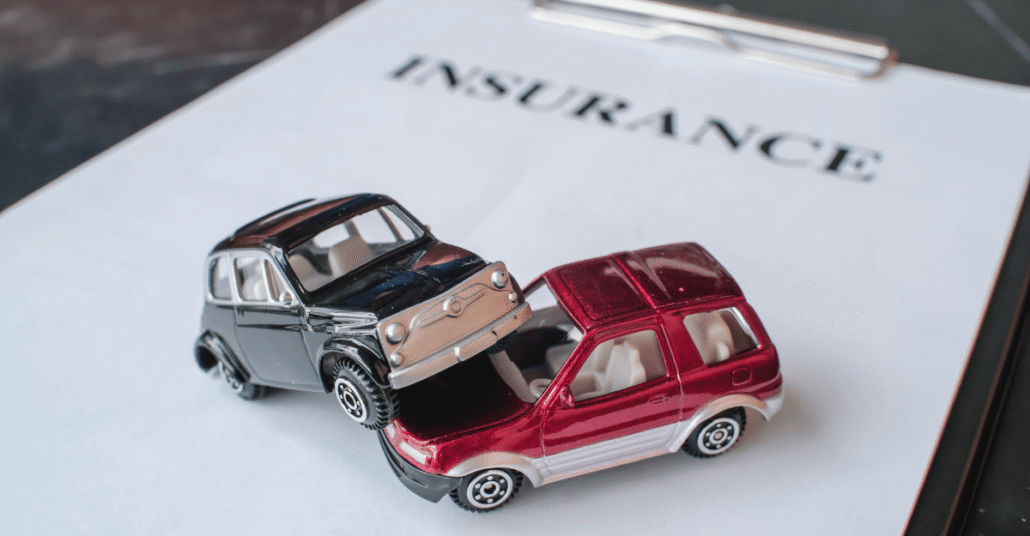
Hit by Someone with a Fake Insurance Card in Illinois: What Are My Options?
Getting into a collision on the Kennedy Expressway or a congested intersection in the Chicago Loop is stressful enough without the added complication of insurance fraud. You exchange information with the at-fault driver, snap a picture of their insurance card, and assume the claims process will proceed normally. Days later, you receive a startling letter from the claims adjuster: the policy number does not exist, or the coverage was canceled months ago. The driver handed you a counterfeit document.
Facing mounting medical bills from local trauma centers like Northwestern Memorial Hospital and an undrivable vehicle, injured motorists frequently feel entirely out of options. Discovering the liable party committed fraud adds a layer of anxiety to an already overwhelming physical recovery. Fortunately, state law provides specific avenues for financial recovery even when the responsible driver breaks the law to avoid accountability.
Is Displaying a Fake Insurance Card a Crime in Illinois?
The state takes auto insurance fraud very seriously. The mandatory insurance law requires all active motorists to maintain minimum liability limits to protect the public. When an individual circumvents this requirement by printing a fraudulent document or purchasing a fake digital card online, they violate multiple statutes simultaneously. Law enforcement officers, including the Chicago Police Department and the Illinois State Police, are highly trained to spot these counterfeits during routine traffic stops and accident investigations.
The introduction of the Illinois Insurance Verification System (ILIVS) has made it significantly harder for uninsured drivers to hide their status long-term. This electronic database allows the state to cross-reference registered license plates with active insurance policies continuously. However, physical fake cards remain a massive problem at the immediate scene of a crash, where drivers attempt to trick the other party before police arrive to verify the data.
The legal penalties for these offenses are severe and include:
- Immediate confiscation of the counterfeit document by responding officers at the crash scene.
- Suspension of the driver’s vehicle registration and driving privileges by the Secretary of State.
- Hefty fines and mandatory court appearances in jurisdictions like the Circuit Court of Cook County.
- Potential jail time for repeat offenders or those caught manufacturing and distributing the documents.
- Mandatory requirement to carry high-risk SR-22 certification once driving privileges are eventually restored.
If you discover the fraud after the fact, the state can still pursue criminal charges based on the official police report and the fraudulent information provided at the scene. Your legal team can coordinate with local prosecutors to ensure the driver is held accountable for the deception.
What Should I Do if I Suspect the Other Driver Gave Fake Insurance Info?
The immediate aftermath of a collision is chaotic, and your safety must remain the primary priority. If the other driver hands you a proof of coverage document that looks heavily altered, lacks a valid expiration date, features obvious misspellings, or is printed on unusual paper, trust your instincts. The most effective step you can take is to request a police presence at the scene immediately.
Officers dispatching to accidents on the Dan Ryan Expressway or local municipal streets have direct access to the ILIVS network and dispatch databases. They can run the provided policy number and the vehicle’s registration in real-time. If the system flags the policy as invalid, the officer will document this fact in the official Illinois Traffic Crash Report, which becomes a foundational piece of evidence for your injury claim.
To protect your legal rights while waiting for law enforcement to arrive, take the following steps:
- Photograph the other vehicle’s license plate, vehicle identification number (VIN), and physical damage from multiple angles.
- Capture clear images of the driver’s license and the suspected fake insurance card.
- Gather contact information from any independent witnesses who saw the collision occur.
- Record the exact location, time of day, and weather conditions in your phone’s notes app.
- Scan the immediate area for residential or commercial security cameras that may have captured the incident.
Never attempt to detain the driver or loudly accuse them of a crime. Individuals operating vehicles with fraudulent documents may have other active warrants or reasons to flee the scene aggressively. Your goal is simply to secure enough identifying information to allow your legal representation and the authorities to track them down later.
How Do I Get Compensation if the At-Fault Driver Has No Valid Insurance?
Discovering the other driver is uninsured often leads to immediate panic regarding how your medical expenses and lost wages will be covered. This is precisely why the state legislature enacted the uninsured motorist statute (215 ILCS 5/143a215 ILCS 5/143a). This law acts as a mandatory safety net for responsible drivers who follow the rules.
When you file a UM claim, your own auto insurance carrier steps into the shoes of the at-fault driver’s non-existent insurance company. They become responsible for evaluating your damages, reviewing your medical records, and providing a settlement based on the severity of your injuries. Many injured parties hesitate to use their own coverage, fearing their monthly premiums will skyrocket. State regulations strictly prohibit insurance companies from raising your rates or canceling your policy simply because you utilized your UM benefits after a crash you did not cause.
Navigating a UM claim requires careful legal strategy. Because your insurance company is now the entity paying the settlement, their financial interests are directly opposed to yours. They will scrutinize the medical records, question the necessity of your treatments, and look for reasons to minimize the payout. Having skilled representation ensures that your rights are protected and that you receive the maximum benefits allowed under your policy contract.
How Does Uninsured Motorist Bodily Injury Coverage Work?
Bodily injury claims encompass a wide range of physical and financial losses. A severe collision can result in catastrophic trauma requiring immediate transport to facilities like Advocate Christ Medical Center or local surgical clinics. The resulting medical bills can easily exceed the state-mandated minimums within hours of the crash, which is why many drivers elect to carry higher UM limits, such as $100,000 or $250,000 on their personal policies.
A comprehensive UM claim should demand compensation for multiple categories of damages to ensure you are entirely made whole. Economic damages provide direct, dollar-for-dollar reimbursement for verifiable financial losses. These typically include:
- Emergency room bills, surgical costs, and overnight hospital stays.
- Prescription medications, orthopedic braces, and required medical equipment.
- Ongoing physical therapy and specialized chiropractic care.
- Lost income from time missed at work during your initial recovery phase.
- Diminished future earning capacity if your injuries result in permanent disability.
Non-economic damages address the intangible human costs of the crash, which are often more devastating than the financial bills:
- Severe physical pain and chronic discomfort.
- Emotional distress, anxiety, and post-traumatic stress disorder (PTSD).
- Loss of normal life enjoyment, including the inability to participate in family activities or hobbies.
- Permanent physical disfigurement or severe surgical scarring.
Documenting these damages requires detailed medical records, physician testimony, and a clear presentation of how the collision altered your daily life. Your legal team works closely with medical providers to ensure every limitation is properly recorded in your chart.
Will My Uninsured Motorist Coverage Pay for Property Damage?
One of the most common points of confusion following a crash with an uninsured driver involves vehicle repairs. UM bodily injury coverage is strictly reserved for physical harm to the occupants of the vehicle. It will not cover a dented bumper, a smashed windshield, or a totaled chassis. To fix your vehicle, you generally have two distinct options under your own policy.
The first option is utilizing your standard collision coverage. This coverage applies regardless of who caused the crash. You will be responsible for paying your selected deductible out of pocket, and your carrier will cover the remaining repair costs up to the actual cash value of the vehicle. If your vehicle is deemed a total loss, the carrier will cut a check for its market value right before the crash.
The second option is Uninsured Motorist Property Damage (UMPD) coverage. Insurance carriers operating in the state are required to offer UMPD, though you have the option to reject it in writing when purchasing your policy. If you carry UMPD, it specifically covers vehicle damage caused by an identified, uninsured at-fault driver. By law, the deductible for UMPD cannot exceed $250, making it a highly cost-effective way to handle repairs.
Coordinating these coverages effectively ensures your vehicle is repaired quickly at a reputable Cook County or Lake County body shop while your bodily injury claim proceeds separately. A knowledgeable attorney will review your declarations page immediately to identify exactly which coverages are available.
Can I Sue the Uninsured Driver Directly in Civil Court?
The civil justice system allows injured parties to hold negligent actors personally accountable for the harm they cause. Filing a formal complaint in the Circuit Court of Cook County, or the appropriate venue where the crash occurred, is always a legal option. Through litigation, you can obtain a formal court judgment declaring the driver legally and financially responsible for your damages.
The practical reality of these lawsuits, however, is much more complex. The legal phrase “judgment proof” applies to many individuals who utilize fraudulent insurance documents. If a person cannot afford a basic auto liability policy, they rarely possess the liquid cash, real estate equity, or substantial personal property required to satisfy a massive civil judgment for medical bills.
While a successful lawsuit allows you to pursue aggressive collection tactics, these methods often yield minimal results:
- Wage garnishments only apply if the defendant has steady, verifiable employment on the books.
- Bank account levies require the defendant to actually keep money in a traditional financial institution.
- Property liens are useless if the defendant rents their apartment and leases their vehicle.
For these reasons, exhausting your UM policy limits is almost always the most efficient and successful path to financial recovery. A direct lawsuit is typically reserved for unique situations where a thorough asset investigation reveals the uninsured driver possesses hidden wealth or operates a business that could satisfy the judgment.
What Evidence Do I Need for a Successful UM Claim?
Filing a claim with your own insurance company does not mean the process will be easy or automatic. In a UM claim, your insurance carrier effectively takes on the role of the opposing defense team. They will demand absolute proof that the uninsured driver was legally responsible for the collision (liability) and that your injuries are as severe as you claim (damages). Understanding the burden of proof in civil claimsburden of proof in civil claims is essential to success.
The burden of proof rests entirely on you and your legal representation. To compel a fair settlement from your carrier, you must present a highly structured evidentiary file that leaves no room for dispute. Critical pieces of evidence include:
- The responding officer’s narrative detailing the discovery of the fake insurance card.
- Dashcam footage showing the uninsured driver running a red light or changing lanes illegally.
- Certified medical records from all treating physicians, including diagnostic imaging like MRIs and X-rays.
- Pay stubs, tax returns, and employer verification letters proving your lost income.
- A formal letter from the state verifying the other driver’s uninsured status at the time of the crash.
Insurance adjusters are trained to identify any gaps in treatment or inconsistencies in your story. Seeking immediate medical attention, following all doctor recommendations, and retaining counsel early prevents the insurance company from exploiting minor administrative errors to deny your valid claim.
How Long Do I Have to File a Claim in Illinois?
Time is a highly critical factor when dealing with an uninsured motorist claim. The legal system imposes rigid deadlines, and failing to respect these timelines will permanently destroy your right to financial recovery. You cannot simply wait indefinitely while you finish physical therapy.
Under state law, the statute of limitations for personal injury claims is two years from the date of the accident. This means you must formally file a lawsuit against the at-fault driver within that specific window. If the deadline passes, a judge will dismiss your case immediately, regardless of the severity of your injuries or the obvious guilt of the defendant.
UM claims add an additional layer of complexity regarding deadlines. Your specific insurance policy serves as a binding contract. Many policies include strict notification clauses requiring you to inform the carrier of your intent to pursue a UM claim within a much shorter timeframe, sometimes as little as 30 days after discovering the other driver is uninsured. If you wait two years to notify your own carrier, they may deny the claim based on a breach of contract.
Waiting to seek counsel severely damages your structural case. The earlier an investigation begins, the easier it is to locate witnesses, secure traffic camera footage, preserve vehicle data, and demand the full policy limits you deserve.
Contact a Chicago Car Accident Attorney at SFG Law Firm
Discovering that the driver who hit you used a fake insurance card is a frustrating and overwhelming experience. You should not have to shoulder the immense financial burden of medical bills, property damage, and lost wages because someone else decided to break the law. Our experienced attorneys at SFG Law Firm have a deep, practical understanding of state insurance regulations and UM claim tactics. We know exactly how to hold your own insurance company accountable and fight for the maximum compensation available under your policy.
If you or a loved one has been injured by an uninsured driver in Chicagoland, swift action is required to preserve evidence and meet strict policy deadlines. Most personal injury attorneys work on a contingency fee basis, which means you don’t pay any attorney’s fees unless we win your case. Contact us today to schedule your free, completely confidential consultation and learn exactly how we can protect your right to full financial recovery.
Frequently Asked Questions
Does a Fake Insurance Card Count as a Hit-and-Run?
If a driver provides fraudulent information and leaves the scene before police arrive, the incident is generally treated as a hit-and-run for claims purposes. Illinois UM policies cover hit-and-run accidents provided you report the crash to law enforcement promptly and can demonstrate that physical contact occurred between the vehicles.
Will My Insurance Company Fight My Uninsured Motorist Claim?
Insurance carriers often aggressively defend against UM claims to protect their profit margins. Because your insurer essentially takes the place of the at-fault driver’s non-existent company, they may attempt to minimize your injuries, dispute liability, or argue that your medical treatments were unnecessary.
What Happens if My Medical Bills Exceed My UM Policy Limits?
If your severe injuries cost more than your UM coverage limits, you may need to explore other avenues of financial recovery. This could include tapping into your health insurance, utilizing medical payments coverage (MedPay), or investigating if a third party, such as a vehicle manufacturer, contributed to the crash.
Can the Passenger of an Uninsured Vehicle File a Claim?
Yes, passengers injured in a crash caused by an uninsured driver possess distinct legal rights. A passenger can file a claim against their own UM policy, or potentially seek compensation under the UM policy of the vehicle they were riding in at the time of the collision, depending on the specific policy language.
How Does Arbitration Work in Illinois UM Claims?
When policyholders and insurers cannot agree on a fair UM settlement value, state law typically requires the dispute to be resolved through binding arbitration rather than a standard civil jury trial. This process involves presenting your evidence, medical records, and witness testimony to a neutral panel of arbitrators who will decide the final award.







Leave a Reply
Want to join the discussion?Feel free to contribute!